Suspension, Steering, and Wheel Services in Idaho Falls, ID
About Us
Services> Suspension & Steering Wheel
Full Suspension and Steering Coverage for Idaho Falls Drivers
Suspension repair in Idaho Falls, ID, helps keep your vehicle stable, responsive, and comfortable on the road. Services include wheel alignment, shock absorbers, control arms, tie rods, ball joints, and wheel bearings. Each component plays a role in maintaining proper handling and steering control.
Road conditions throughout Eastern Idaho can take a toll on your suspension. Freeze-thaw potholes along US-20 and gravel county roads toward Shelley put extra stress on bushings, tie rod ends, and other suspension parts. Over time, this wear can affect steering response, ride quality, and vehicle stability.
Sage Creek Repair provides steering and suspension service for domestic trucks, imports, and family SUVs throughout Idaho Falls, Ammon, Iona, Ucon, and Shelley. Our ASE-certified technicians inspect components against OEM specifications and photograph their findings before explaining recommended repairs. You'll know what needs attention before approving any parts or labor, and qualifying repairs are backed by a written warranty.
Suspension, Steering, and Wheel Repair Options
Your suspension, steering, and wheel systems work as one connected assembly. A worn control arm bushing changes alignment angles, a loose tie rod end wears tires unevenly, and a failing wheel bearing can mimic a bad shock. Winter chuckholes and washboard gravel around Bonneville County accelerate every one of these failures, which is why we inspect the full assembly before recommending any single component.
Wheel Alignment
Proper wheel alignment keeps your tires positioned at the correct angles for stable handling and even tread wear. Idaho Falls potholes can knock camber and toe angles out of specification, causing uneven tire wear or pulling to one side.
Using our Hunter alignment rack, we measure and adjust all four wheel angles to manufacturer specifications. Our wheel alignment service helps restore proper tracking, improve handling, and promote even tire wear.
Wheel Bearing Repair
A worn wheel bearing often produces a humming or grinding noise that changes with vehicle speed or cornering direction. Pothole impacts around Idaho Falls can accelerate bearing wear and eventually cause excessive play at the wheel hub.
During inspection, our technicians check the hub for looseness and confirm the source of the noise before recommending replacement. Proper wheel bearing repair addresses confirmed bearing problems and helps prevent unnecessary replacement of unrelated components.
Wheel Balancing
Steering wheel vibration between 55 and 70 mph on US-20 often points to an unbalanced wheel, bent rim, or displaced wheel weight. Hard pothole impacts can knock wheel weights loose and contribute to vibration at highway speeds.
At our shop, each wheel undergoes road force balancing to identify imbalances and potential rim runout. These measurements help our team pinpoint vibration sources and determine whether additional wheel or tire work is necessary. Our wheel balancing process helps minimize vibration and improve ride quality.
Shocks and Struts Replacement
A bouncy ride, nose-diving under braking, or clunking over bumps can indicate worn shocks and struts. Most cars and crossovers use a MacPherson strut up front, combining the strut body, coil spring, and upper mount into one load-bearing assembly. Freeze-thaw potholes and gravel roads around Bonneville County can accelerate shock absorber wear. Damaged piston seals allow fluid to bypass the valving, reducing the tire's ability to maintain road contact.
To evaluate their condition, our technicians bounce-test each corner, check strut bodies for fluid leaks, and measure ride height. A sagging corner can indicate a weakened coil spring, which may require replacement alongside the struts. Quick strut assemblies arrive with the spring and mount pre-installed, potentially saving Idaho Falls drivers labor during replacement. Every strut job finishes with a camber adjustment and alignment on our Hunter rack.
Air Suspension
Air suspension systems on RAM trucks, SUVs, and luxury vehicles use air springs, a compressor, height sensors, and solenoid valves to maintain proper ride height. A failing air spring may cause the vehicle to sag overnight, the compressor to run continuously, or a ride-height warning to appear. Idaho winters can also affect these systems as cold temperatures stiffen rubber bladders and road salt corrodes air line fittings around the compressor.
Diagnosis starts with our Autel MaxiSYS Ultra, which reads live height sensor data and solenoid commands. We then pressure-test the system to locate leaks at the air springs, lines, or valve block. Depending on the findings, our team may recommend replacing an air spring, rebuilding the compressor, or servicing the dryer. We recalibrate ride height after component replacement.
Control Arms
Control arm replacement may be necessary when bushings crack or an integrated ball joint develops excessive play. Common symptoms include clunking over bumps, wandering steering on US-20, and uneven inner tire wear. Gravel roads toward Iona and winter potholes around Ammon can accelerate control arm bushing deterioration.
Before recommending replacement, our technicians inspect each arm with the suspension both loaded and unloaded. A dial indicator helps measure ball joint play against manufacturer specifications. Since changing a control arm can affect caster and camber angles, we follow replacement with a four-wheel alignment.
Tie Rods and Ball Joints
Loose tie rod ends can cause wandering steering, uneven inner-edge tire wear, and clunking over bumps. Ball joint wear can produce popping noises during turns or excessive play at the steering knuckle. Both components are important for maintaining proper steering control and suspension movement. Washboard gravel roads and freeze-thaw potholes accelerate wear by damaging grease seals and allowing contaminants inside.
Our inspection includes checking tie rod end play by rocking the wheel at the 9 and 3 o'clock positions while the vehicle is lifted. We measure ball joint movement using a pry bar and dial indicator. After replacement, our team performs a four-wheel alignment on the Hunter rack to restore proper toe settings and straight-line tracking.
Power Steering Repair
Modern vehicles use either hydraulic or electric power steering (EPS) systems to assist steering. Hydraulic systems rely on a pump, hoses, and fluid reservoir, while EPS systems use an electric motor mounted on the steering column or rack. Problems with either system can make steering difficult or produce unusual noises, fluid leaks, or an EPS warning light. Many newer Honda, Toyota, and Hyundai models use EPS, making scan-tool diagnosis important.
For electronic steering problems, our team uses the Autel MaxiSYS Ultra to retrieve fault codes and identify potential failures. Hydraulic inspections include checking fluid condition, fluid level, and the pump, hoses, and rack for leaks. Depending on the findings, repairs may involve replacing a hydraulic hose or pump, or an EPS torque sensor or motor. We perform the required calibration after electronic steering component replacement.
Rack and Pinion Replacement
Steering problems such as fluid leaks around the bellows, excessive steering wheel play, or inconsistent steering effort can indicate a failing rack and pinion. On hydraulic systems, internal seal failure allows fluid past the piston, reducing steering assistance in one direction. Cold Idaho mornings can make these symptoms more noticeable as thicker fluid and stiffer seals affect operation.
Before recommending rack replacement, we pressure-test hydraulic systems and inspect bellows for damage and inner tie rods for excessive play. The replacement typically includes new inner and outer tie rods, a fluid flush, and a four-wheel alignment to restore proper steering angles.
Strut Mount Replacement
A worn strut mount can produce clunking noises over bumps, often making it difficult to distinguish from a failing strut. The upper bearing can wear out, allowing the strut to shift under load. This movement can also affect alignment even when the strut body remains in good condition.
Our technicians inspect mounts for cracked rubber and binding during steering input, then check for excessive movement with the suspension unloaded. Replacement is often performed alongside strut assembly service because spring disassembly can make individual mount replacement nearly as labor-intensive. A post-repair alignment confirms camber and caster are within specification.
TPMS Service
Tire pressure monitoring system (TPMS) sensors track air pressure inside each tire and send readings to the vehicle's control module. Cold Idaho Falls mornings can cause tire pressure to drop, triggering low-pressure warnings even when tires have no leaks. Sensor batteries typically last seven to ten years before requiring replacement.
When a TPMS warning appears, our technicians use the Autel scan tool to identify sensor faults and check battery voltage and signal strength. Replacement sensors require programming before the vehicle can recognize them. We also perform a relearn procedure after tire rotation or sensor replacement to ensure each sensor communicates with the correct wheel position.
Tire Installation
Proper tire installation involves more than mounting new tires. The process includes balancing each wheel, resetting TPMS sensors, and tightening lug nuts to manufacturer torque specifications. Valve stems also require inspection because aging rubber can deteriorate and cause slow leaks, even with newly installed tires.
During installation, our technicians check valve stems and replace worn ones when necessary. Each tire receives road force balancing to help reduce vibration and improve ride quality. We also recommend a four-wheel alignment to help prevent uneven tread wear and extend tire life.
CONTACT US
SAGE CREEK REPAIR
Tuesday - Friday: 7:00 AM – 6:00 PM
Saturday & Sunday: Closed
Monday: Closed
Suspension, Steering, and Wheel Symptoms That Need Attention
Clunking Over Bumps
A clunking noise when driving over Idaho Falls potholes often indicates worn suspension components. Common causes include loose sway bar end links, deteriorating control arm bushings, or a failing strut mount. Sway bar end links are often among the first components to check because their joints can develop play as they wear. Ignoring the noise can allow additional suspension wear and make handling less predictable over uneven roads.
Steering Pulls to One Side
When a vehicle pulls to one side on US-20, the problem may involve incorrect wheel alignment, uneven tire pressure, or a seized brake caliper. A hard pothole impact can knock camber and toe angles out of specification, changing how the vehicle tracks on straight roads. A seized brake caliper can also create resistance at one wheel, causing the vehicle to drift and potentially producing excessive brake heat.
Uneven or Rapid Tire Wear
Alignment problems and worn suspension components can cause tires to wear unevenly or faster than expected. Excessive negative camber or worn steering parts can cause inner-edge wear, while incorrect toe settings may contribute to outer-edge wear. Cupping or scalloped tread patterns often indicate worn shocks or struts, making shock absorber repair in Idaho Falls, ID, important for addressing the underlying problem. Ignoring these patterns can shorten tire life, reduce traction, and compromise vehicle stability.
Humming or Grinding That Changes With Speed
A humming noise that grows louder with speed and changes pitch when turning often indicates a failing wheel bearing. The noise typically becomes more noticeable when vehicle weight shifts onto the damaged bearing during a turn. Continued driving can increase bearing wear and eventually cause excessive wheel play. Constant grinding that does not change with cornering may point to a brake problem instead, such as worn brake pads or damaged rotors.
Clunking over bumps, a pull to one side, or tires wearing unevenly?
How We Approach Suspension, Steering, and Wheel Service
Every suspension or steering diagnosis starts with a road test to reproduce the reported symptoms under real driving conditions. We include pothole-damaged and gravel roads around Idaho Falls when evaluating handling concerns. Once we confirm the symptoms, we inspect the vehicle on a lift with the suspension both loaded and unloaded. Our technicians check tie rod ends, ball joints, control arm bushings, sway bar end links, strut mounts, and wheel bearings using a pry bar and dial indicator.
To identify electronic issues, we also use the Autel MaxiSYS Ultra to retrieve stored chassis and electric power steering (EPS) fault codes. After completing the inspection, we document findings with photos and short technician videos sent directly to your phone. This allows you to see worn bushings, leaking struts, and other problems before approving repairs. We then provide a written estimate detailing parts and labor before any work begins.
Once approved repairs are complete, our team performs a four-wheel alignment on the Hunter rack whenever replaced components affect alignment. This final check confirms proper wheel angles following the repair.
What Sets Sage Creek Repair Apart for Suspension, Steering, and Wheel Service
- We use our Hunter alignment rack to perform precise four-wheel measurements and verify alignment after suspension and steering repairs.
- Our Autel MaxiSYS Ultra provides diagnostic capabilities for EPS, air suspension, and TPMS faults.
- We provide digital vehicle inspections with photos and technician videos sent directly to your phone before repair approval.
- For added convenience, we offer a courtesy shuttle, early drop-off, and after-hours vehicle pickup.
- Family-owned and operated since 1979, we bring generations of automotive repair experience to Idaho Falls drivers.
- Our 4.6-star rating across 400+ Google reviews reflects the trust customers place in our workmanship and service.
- Our owner's formal training through Management Success, ATI, and Shop Coach supports the management practices and service standards behind our operations.
Our Promise to You
- We provide a written estimate outlining inspection findings and recommended repairs before starting any work, and we never proceed without your explicit approval.
- Our ASE-certified technicians handle every suspension and steering repair.
- We use OEM-specification parts as standard unless you request an alternative.
- Qualifying repairs come with our parts and labor warranty coverage.
- You'll receive regular updates throughout the repair process and a follow-up after picking up your vehicle.
For additional vehicle maintenance and safety needs, we also provide brake repair and safety inspections.
Questions We Hear About Suspension and Steering Repair
How much does suspension repair cost in Idaho Falls?
Suspension repair costs in Idaho Falls depend on your vehicle and the components needing attention. A sway bar link replacement typically costs less than a full strut assembly replacement with alignment. Control arm and ball joint repairs generally fall between those jobs. We provide a written estimate before work begins, including any additional alignment costs.
What are the signs of a bad suspension?
Common signs of a bad suspension include excessive bouncing over bumps, nose-diving under braking, uneven tire wear, clunking noises, and poor steering control. You may also notice your vehicle pulling to one side or taking longer to stop. A bounce test and strut inspection can reveal some problems, while a lift inspection helps confirm worn bushings, ball joints, or tie rods.
How long does suspension repair take?
Many suspension repairs can be completed the same day, depending on the vehicle and parts availability. A sway bar link or single shock is a shorter job than a pair of struts or a control arm replacement that needs a follow-up alignment. Air suspension diagnosis and repair can take longer because leak testing and recalibration add time.
Can I drive with a broken suspension?
Driving with a broken suspension can be unsafe because a failed component may affect steering control, cause tire failure, or damage connected parts. A noisy sway bar link is generally less urgent than a separated ball joint, but a lift inspection is necessary to identify the problem. Have the vehicle towed if you hear a loud bang followed by a noticeable change in handling.
Get Your Suspension, Steering, and Wheel Service Handled Right
If your steering wheel vibrates on US-20, your tires show uneven wear, or your truck pulls after hitting a pothole, a suspension inspection can identify the cause. Our technicians use a Hunter alignment rack to check wheel angles and inspect suspension components under load before recommending repairs. We document inspection findings with photos and digital records so you can review the results before approving work. Qualifying repairs also include parts and labor warranty coverage.
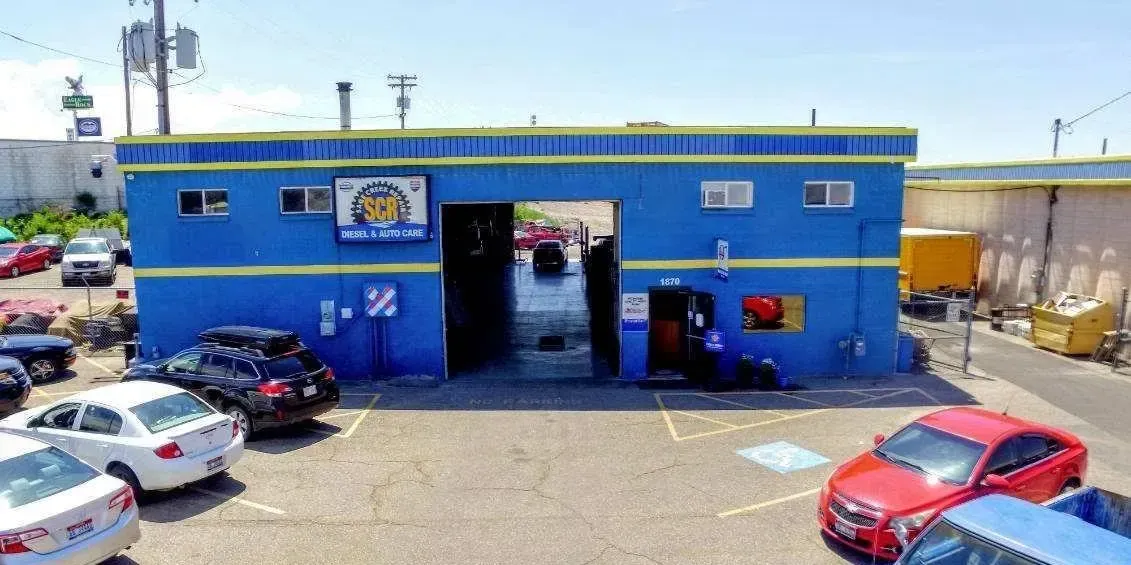
Sage Creek Repair | 1870 S Yellowstone Hwy, Idaho Falls, ID 83402 | (208) 523-0331