Wheel Bearing Repair in Idaho Falls, ID
About Us
Services> Wheel Bearing Repair
Wheel Bearing Repair Specialists Serving Idaho Falls Drivers
A humming noise from a wheel that changes pitch when you turn or a vibration while driving that worsens with speed can indicate a failing hub-bearing unit. These symptoms deserve attention, especially in Idaho Falls, where freeze-thaw cycles across Bonneville County can accelerate seal degradation. Trucks that regularly haul through winter conditions may experience rear wheel bearing problems earlier as a result.
Sage Creek Repair handles wheel bearing repair in Idaho Falls on Chevrolet, Honda, Ford, Toyota, RAM, and other domestic and import vehicles. Depending on the vehicle's design, service may involve press-in bearing replacement or full wheel hub assembly replacement when the bearing is integrated into the hub.
To determine which repair is needed, we perform a lift-and-spin test and listen at each wheel during a road test. We also verify ABS wheel speed sensor function before quoting parts. Since wheel bearing cost depends on the vehicle, required parts, and inspection findings, we provide a transparent quote before beginning any work. Every qualifying repair is backed by our parts and labor warranty, and nothing starts without your approval.
Wheel Bearing Repair Services at Sage Creek Repair
Bad Wheel Bearing Diagnosis
A humming noise, vibration, or unusual wheel noise can indicate a failing bearing, but proper testing helps identify the actual problem. We start by road-testing your vehicle to isolate the affected corner, then lift it to check for play at the 12-and-6 and 9-and-3 positions on the tire. Our technicians also scan ABS sensor data with the Autel MaxiSYS Ultra to rule out a sensor fault that could mimic bearing problems. Before preparing an estimate, we show you the findings through photos and a short technician video.
Sealed Wheel Bearing and Hub Assembly Replacement
Many late-model vehicles use sealed hub-bearing units that require replacement as a complete assembly rather than servicing the bearing separately. Most late-model Ford, RAM, Chevrolet, and Hyundai vehicles use a bolt-on hub-bearing unit mounted at the spindle knuckle. We torque the axle nut to the manufacturer's specifications and verify that the ABS wheel speed sensor seats correctly. After installation, our technicians road-test your vehicle to confirm the repair has addressed the humming noise before releasing it.
Press-In Bearing and Rear Wheel Bearing Service
Older vehicles often use a different bearing design that requires specialized tooling for proper removal and installation. Older Toyota, Honda, Mazda, and Dodge platforms often use bearings pressed into the steering knuckle against the ball bearing race. Rear wheel bearing service on solid-axle trucks, including RAM and older Chevrolet pickups, follows a different procedure involving axle removal. We inspect bearing condition and quote both inner and outer bearing replacement when wear is symmetric.
Wheel bearing repair is one part of our broader suspension, steering, and wheel services at Sage Creek Repair. Depending on our inspection findings, we may also recommend wheel alignment or wheel balancing.
CONTACT US
SAGE CREEK REPAIR
Tuesday - Friday: 7:00 AM – 6:00 PM
Saturday & Sunday: Closed
Monday: Closed
Wheel Bearing Repair Warning Signs in Idaho Falls
Humming or Grinding That Changes with Speed
A failing wheel bearing often produces a humming or grinding noise that gets louder as vehicle speed increases. The sound may also change pitch when steering left or right because cornering loads and unloads the opposite side. Long highway drives on I-15 between Idaho Falls and Shelley can accelerate seal wear through sustained heat buildup inside the sealed hub. As grease breaks down, contaminants can reach the ball bearing race, accelerating damage and increasing the risk of wheel lockup or hub separation.
Wheel Wobble, Vibration, and Loose Wheel Feel
Excessive bearing wear can cause wheel wobble, steering wheel vibration, and a loose feeling while driving, particularly between 40 and 60 mph. These symptoms occur when the bearing loses its ability to keep the wheel properly supported and aligned. Rocking a lifted tire from top to bottom can reveal excessive play. In advanced cases, the hub may no longer run true, causing the brake rotor to move unevenly against the pads and produce brake pedal pulsation.
Uneven Tire Wear and Grinding Wheel Noise
Irregular tread wear along the inside or outside edge of a single tire can indicate excessive wheel bearing play. When the bearing wears enough to let the wheel tilt out of plane, it can affect tire contact and contribute to uneven wear. A grinding noise during slow turns may also indicate advanced bearing damage. A damaged spindle knuckle can further complicate the repair, making inspection for scoring and hub runout important before determining the necessary work.
Our Wheel Bearing Repair Process
1. Intake and Concern Review
We ask when the noise started, at what speeds it is loudest, and whether it changes during turns. These details help identify which wheel needs inspection.
2. Inspection and Diagnostics
A road test helps isolate the noisy wheel before the vehicle goes on the lift for a wheel play check. Our technicians also scan ABS sensor data using the Autel MaxiSYS Ultra to rule out sensor faults.
3. Clear Estimate
After inspection, we prepare a written estimate with supporting photos and video. We identify the required bearing or hub assembly and specify whether the quote includes an OEM wheel bearing or a quality equivalent.
4. Repair or Service
Once you approve the estimate, our technicians replace the faulty bearing or hub assembly. We torque the axle nut to manufacturer specifications, verify ABS sensor installation, and inspect the steering knuckle for scoring.
5. Final Review and Follow-Up
Before returning your vehicle, our technicians perform a road test to confirm the humming, grinding, or vibration has stopped. We then follow up to make sure the repair has restored normal steering stability.
Humming that gets louder with speed or a wheel that feels loose?
What Does Wheel Bearing Repair Cost in Idaho Falls?
Wheel bearing cost depends on your vehicle, the parts required, and the inspection findings. A sealed hub-bearing unit on a late-model truck, for example, costs differently than a press-in bearing on an older import.
Front wheel bearing repair in Idaho Falls, ID, may also involve additional labor on vehicles with integrated ABS sensors. After inspection and any authorized diagnostic testing, we provide a written estimate that accounts for these requirements. No work begins without your approval.
Our Promise to You
At Sage Creek Repair, every wheel bearing replacement in Idaho Falls starts with a thorough inspection and a written estimate with photos and video. This way, you can see what we found, understand why we recommend the repair, and know which parts your vehicle needs before we get started. Our ASE-certified technicians use OEM or OEM-equivalent parts, and qualifying repairs come with our parts and labor warranty.
As a second-generation family business operating since 1979, we believe in being honest about what your vehicle needs. We explain our findings, keep you updated throughout the repair, and always discuss additional work with you before moving forward. After you pick up your vehicle, we follow up to make sure everything is running as it should.
Serving Idaho Falls and Bonneville County Drivers
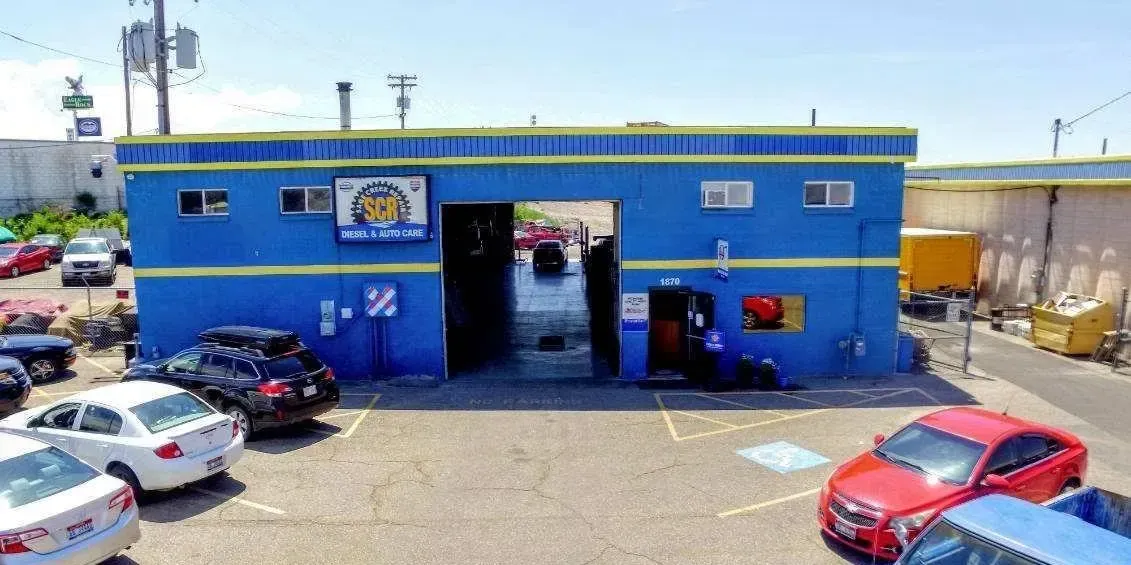
Sage Creek Repair serves drivers across Idaho Falls, Ammon, Iona, Ucon, and Shelley from our shop on South Yellowstone Highway. Whether you commute locally or travel rural routes around Bonneville County, we can check your wheel bearings for wear caused by gravel-induced vibration and winter road salt. These conditions can break down aging hub seals and allow contaminants to reach the bearings, making timely inspection and repair important.
Wheel Bearing Repair FAQs
How much does wheel bearing replacement cost in Idaho Falls?
Wheel bearing replacement cost in Idaho Falls depends on your vehicle, the required parts, and the inspection findings. A sealed hub-bearing unit on a late-model truck costs differently than a press-in bearing on an older sedan. We provide a written estimate after inspection and before any work begins.
What are the signs of a bad wheel bearing?
The signs of a bad wheel bearing include humming or grinding noises, steering wheel vibration, wheel wobble, and uneven tire wear. You may also notice excessive play when rocking a raised tire from top to bottom, indicating possible bearing wear.
Is it safe to drive with a bad wheel bearing?
Driving with a bad wheel bearing is risky, and highway travel should be avoided. If symptoms are mild and steering feels normal, a short, cautious trip directly to a repair shop may be possible. If you notice grinding, vibration, or wheel wobble, stop safely and arrange a tow.
Can I replace just one wheel bearing or both sides?
Yes, you can replace just the failed side, since wheel bearings do not wear symmetrically the way brake pads do. We only recommend replacing both sides when the inspection shows comparable wear on the opposite bearing.
Ready for Reliable Wheel Bearing Repair?
A failing wheel bearing can seize at highway speeds, leaving you stranded on I-15 or US-20. Having the problem diagnosed early helps protect the hub assembly and surrounding steering components from further damage. Once the repair is complete, qualifying work is backed by our parts and labor warranty.
Sage Creek Repair | 1870 S Yellowstone Hwy, Idaho Falls, ID 83402 | (208) 523-0331